“`html
The Role of Radio in Today’s Music Industry
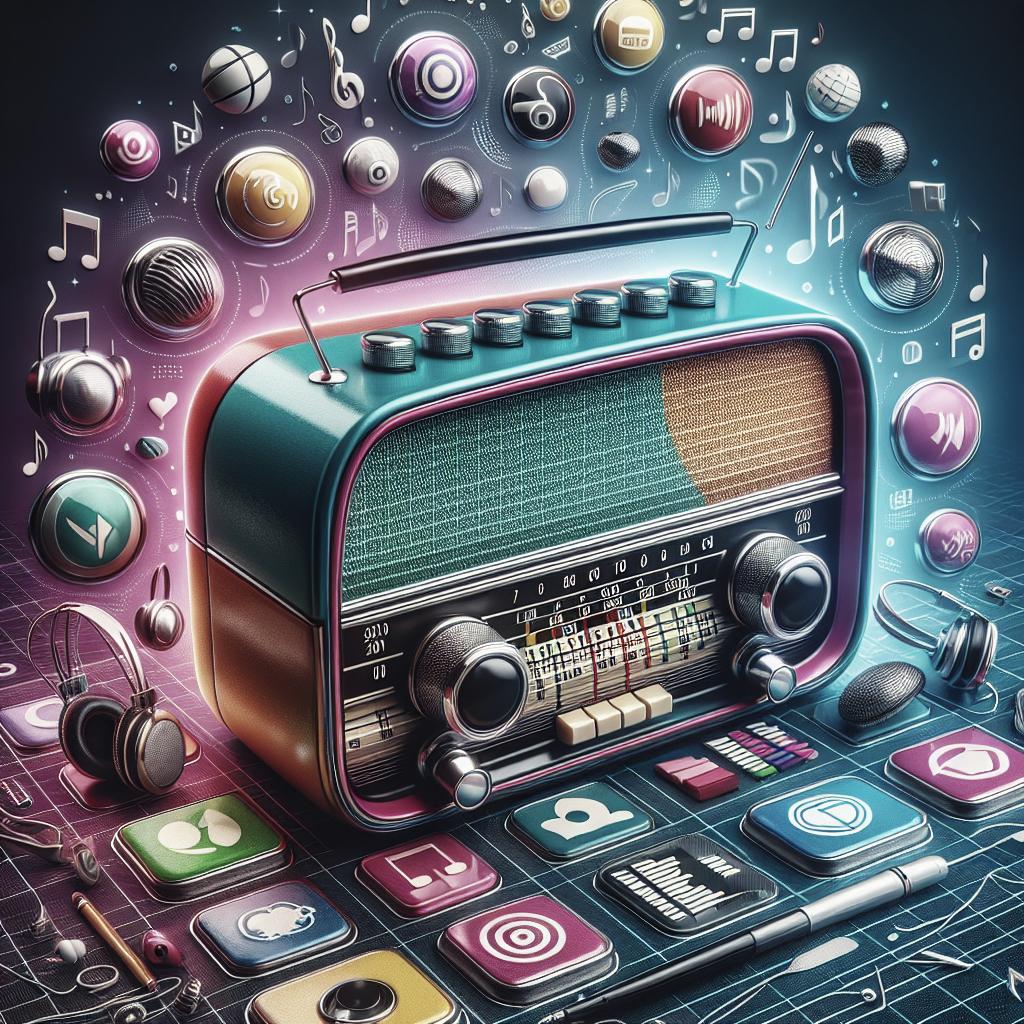
Radio has been a cornerstone of the music industry for decades, evolving over time but maintaining its position as a key player in music promotion and discovery. In the current digital era, it remains a potent force through its reach, accessibility, and emotional impact. This article explores radio’s role in today’s music industry, looking at how it helps businesses, influences audience segmentation, provides cost-effective advertising, and integrates with other digital platforms. Furthermore, we delve into its contribution to local communities, content diversification, and adaptation alongside technological advancements.
Get Your Business On The Radio
Radio advertising still stands as one of the most credible modes to build brand awareness and attract attention across diverse demographics. Its expansive reach allows businesses, both small and large, to penetrate markets effectively, creating new opportunities for expansion and customer engagement.
For artists, getting their music played on the radio equates to a stamp of approval, opening doors to new audience bases. Radio stations act as gatekeepers and tastemakers, often setting trends that ripple through the music industry. The endorsement of a song on popular radio can greatly amplify an artist’s profile, sometimes catapulting them to stardom.
Everyone Loves Music
Music is a universal language, transcending cultural and linguistic barriers. Radio capitalizes on this by offering curated playlists that appeal to a wide array of listeners, bringing communities together through shared musical experiences. From pop and rock to jazz and classical, radio playlists cater to diverse tastes, encouraging listeners to explore genres they might not have considered otherwise.
Furthermore, radio stations often act as the first point of contact for listeners with new music releases. As trusted sources for discovering new music, they play a crucial role in shaping listeners’ preferences and promoting emerging artists who bring fresh sounds to the scene.
Frequency is Best On-Air
Despite the rise of streaming services, radio remains unmatched in frequency and accessibility. Listeners tune in effortlessly, without subscriptions or data concerns, making it an ideal platform for music consumption. Radios in cars, homes, and workplaces continue to broadcast music nonstop, keeping audiences connected at all times.
The consistent rotational strategy of radio not only keeps songs at the forefront of listener awareness but also aids in instilling new tracks into the cultural zeitgeist. This repetition helps songs to latch onto the listener’s consciousness, ensuring they gain popularity and familiarity.
Cost-effective Advertising
Radio advertising provides a cost-effective avenue for businesses and artists to market their products and music. It delivers high returns on investment by reaching audiences both wide and varied while maintaining relatively low production and airtime costs compared to other media.
Artists, especially independent ones, can leverage radio to introduce their music to new audiences without burdening themselves with hefty promotional expenses. This financial accessibility allows emerging talents to compete with larger acts on an even playing field, broadening their potential reach and fanbase.
Segmenting Listeners and Target Audiences
Radio excels in audience segmentation, allowing advertisers and artists to target specific demographics based on the type of station and time of broadcast. With a better understanding of their audience’s preferences, stations curate content and advertisements that resonate with their listeners’ interests and lifestyles.
Targeted radio segments can effectively introduce music genres and artists to new potential fans, enhancing engagement and building communities centered around shared musical taste. This precision in targeting helps fine-tune marketing efforts, making them more impactful and relevant.
Strong Emotional Play and Creative Effects
Radio has the extraordinary power to evoke emotions and create memorable moments for listeners. By employing sound effects, storytelling, and live performances, radio creates a rich tapestry of sonic experiences that deeply engage audiences.
Morning shows, thematic musical hours, and interactive segments stir emotions and forge lasting listener relations. This emotional hook often translates to stronger loyalty and more frequent tune-ins, cementing radio’s role in the listener’s daily routine and music discovery habits.
Integration With Other Digital Platforms
Radio stations have cleverly integrated with other digital platforms to remain relevant in the digital age. By offering online streaming, podcasts, and social media interactions, radio broadens its reach while adapting to new audience habits and preferences.
This integration allows radio to harness the best of both worlds—reliable traditional listenership coupled with the immediacy and interactivity of digital platforms. Such synergy increases engagement and provides innovative avenues for music promotion and artist interactions.
Deeper Engagement With Listeners
Radio fosters deeper listener engagement through interactive programming and real-time communications. Call-ins, social media interactions, and on-air requests create a dialog between fans and their favorite shows, making listeners feel an integral part of the broadcast.
Such direct engagement opportunities significantly enhance the listener experience, encouraging active participation and loyalty. This connection can be instrumental in shaping music trends, understanding audience preferences, and creating a sense of community around listeners and artists alike.
Radio Has A Huge Impact On Local Communities
Local radio stations play a vital role in their communities, acting as the heartbeat of local culture and music scenes. They support local artists by providing a platform to showcase their talent and connect with their community, fostering a sense of pride and belonging.
Through community-focused programming and involvement in local events, radio deeply embeds itself within the social fabric, increasing music education and appreciation. This impact boosts both cultural and economic vibrancy, cementing radio’s prominence in local music ecosystems.
Radio Content Has Diversified To Cater To Evolving Listener Preferences
In response to the diversifying tastes of modern audiences, radio content has evolved to become more eclectic and inclusive. Stations now offer a wider variety of programming, including specialty shows that focus on niche genres, cultures, and musical eras.
This diversification not only serves to broaden the audience base but also encourages cross-cultural exploration and music appreciation. By tapping into varied listener interests, radio remains a relevant and dynamic medium, capable of adapting to the contemporary musical landscape.
Radio Has Evolved Alongside Other Technologies
Radio has continually adapted to technological advancements, from digital broadcasts to satellite radio and mobile streaming apps. Such evolution ensures its survival and relevance, allowing it to reach audiences through increasingly varied and convenient channels.
As technology continues to advance, radio’s ability to innovate ensures it remains a critical component of the music industry. It embraces new opportunities while maintaining its core strengths in accessibility and audience engagement, affirming its ongoing importance within the media landscape.
Share this post
If you found this article insightful, consider sharing it with fellow music enthusiasts and industry professionals to spread the word about radio’s evolving role in shaping the music industry.
Topics
- Radio
- Music Industry
- Media
- Broadcasting
- Technology
Recent posts
- How Streaming Services are Changing the Music Industry
- The Rise of Virtual Music Festivals
- Understanding Music Licensing in the Digital Age
Summary of Main Points
| Aspect | Summary |
|---|---|
| Get Your Business On The Radio | Radio remains an effective medium for brand awareness and promoting artists. |
| Everyone Loves Music | Radio offers diverse playlists and serves as a discovery platform for new music. |
| Frequency is Best On-Air | Radio maintains unmatched accessibility and frequent music exposure. |
| Cost-effective Advertising | Radio provides affordable promotion options for businesses and artists alike. |
| Segmenting Listeners and Target Audiences | Radio excels in targeting specific listener demographics effectively. |
| Strong Emotional Play and Creative Effects | Radio uses sound and storytelling to elicit strong emotional responses. |
| Integration With Other Digital Platforms | Blending traditional radio with digital platforms enhances reach and engagement. |
| Deeper Engagement With Listeners | Interactive programming fosters stronger connections with audiences. |
| Huge Impact on Local Communities | Local stations support native artists and engage with the community. |
| Diversified Content | Stations offer varied programming to cater to modern listener preferences. |
| Technological Evolution | Adaptations to tech advancements secure radio’s ongoing relevance. |
“`