“`html
The Influences of Fashion on Music
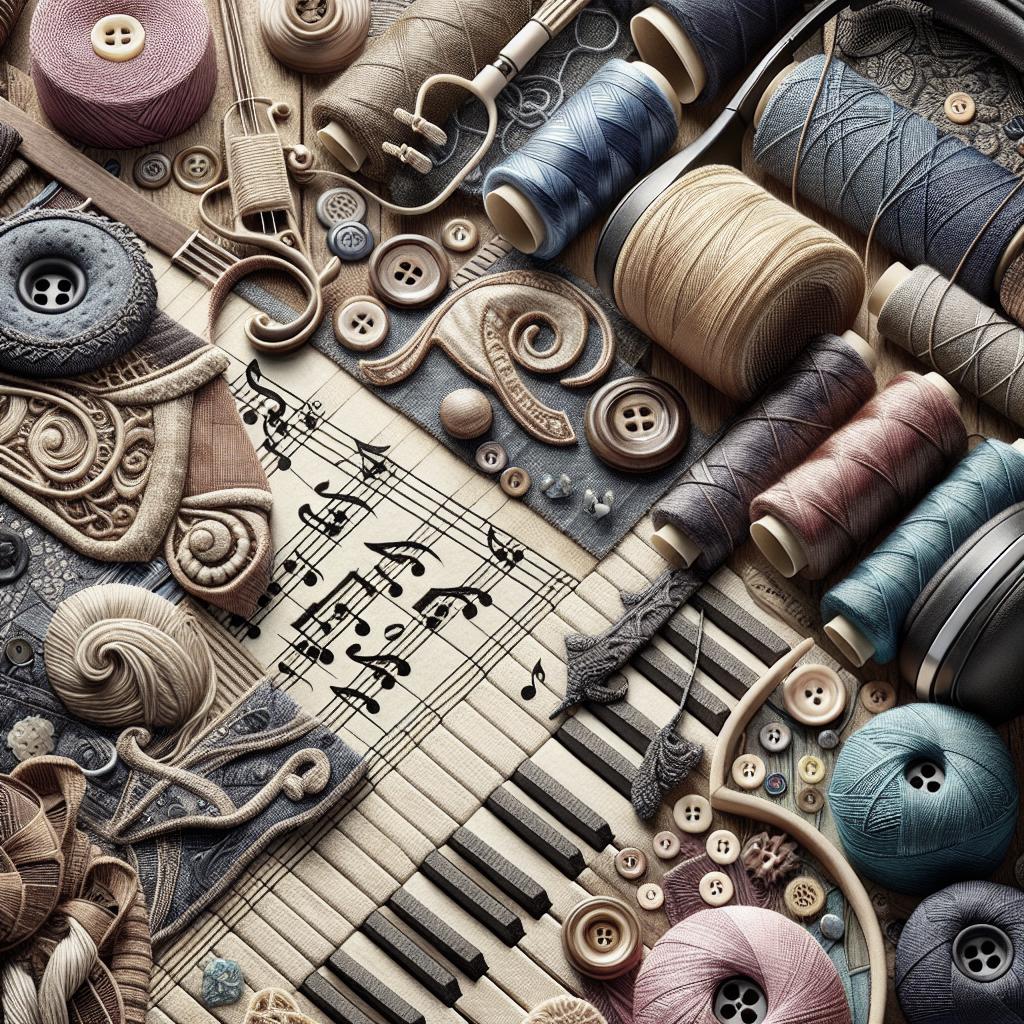
Fashion and music have long shared a symbiotic relationship that influences not just industry trends but also shapes cultural identity and consumer behavior. From the origins of Western music to modern-day auditory branding, this exploration delves into how music impacts cultural norms and perceptions and how fashion in turn adapts to reflect these shifts. With constant interplay, the art forms not only echo each other but also set a rhythmic pace followed by the masses. Understanding this dynamic interaction provides deeper insight into both industries, highlighting the profound connection between style and sound.
Where does our western music language or sound come from?
Western music has a rich tapestry that originates from ancient and medieval cultures, evolving through influences like the Greeks, Romans, and other European traditions. The Western musical language is predominantly defined by its notation system, harmony, and orchestration, elements that began to form as early as the Medieval period. Over centuries, Western music has absorbed elements from various cultures, including African rhythms, which significantly contributed to genres such as jazz and rock.
Baroque, Classical, and Romantic periods brought better-defined rules and systems to music composition, laying the groundwork for modern Western music forms. With inventions such as the piano and violin, compositions became more intricate, allowing for richer, more complex performances. These evolutions brought about a standardized musical language that we recognize today, influencing not only sound but also other creative domains like fashion and art.
Fashion and music have long been intertwined, with fashion designers and artists playing a significant role in shaping fashion trends.
The symbiotic relationship between fashion and music has been pivotal in cultural evolution. Icons in the music industry often spur fashion trends with their unique styles, influencing designers and consumers alike. The ’60s and ’70s eras, marked by the rise of rock and roll, saw musicians like The Beatles and Jimi Hendrix contributing significantly to fashion, rocking attire that defined decades. Their flamboyant style choices were quickly adopted by fans and reflected by fashion designers eager to capitalize on these cultural shifts.
In more recent years, cross-collaborations between fashion designers and musicians have become commonplace. Consider Kanye West’s impact on streetwear, or Lady Gaga’s theatrical ensembles that challenge traditional fashion norms. Designers frequently draw inspiration from the vibrant energy of music festivals or the edgy visuals of music videos, creating collections that resonate with the daring and experimental spirit of music fans.
Introduction to Music’s Influence on Culture
Music holds immense power as a cultural force that shapes social and individual identities. Throughout history, it has served as a universal language bridging diverse groups and reflecting societal changes. The beats and lyrics tap into collective emotions, enabling movements and revolutions. Not only does it drive cultural dialogues, but it also reflects the zeitgeist of a particular era.
Take, for instance, the hip-hop culture from the ’80s onward, which went beyond just music to land deeply in fashion, language, and lifestyle. Genres like punk and grunge also influenced attitudes and self-expression on a broad scale. These genres not only define the fashion aesthetic for their era but also influence societal perspectives, marking shifts in cultural outlook and norms.
Music’s Role in Shaping Cultural Identity
Music does more than just entertain; it influences individual and collective identities. Through powerful narratives and infectious melodies, music genres often become emblematic of cultural or societal phenomena. Songs and their accompanying fashion trends can embody the values and struggles of various movements, creating layers of identity that followers incorporate into their own lives. When a genre—the rebellious nature of punk, for example—takes hold, fans mold both their style and worldview according to its principles.
This dynamic interrelationship means that as music evolves, so does the fashion landscape. Subcultures often arise, with music as their guiding mantra, changing societal norms. Identities are welded together by sound and style; think of reggae or hip-hop, where the fashion mirrored the messages proclaimed in the songs, conveying unspoken solidarity and shared values among its followers.
Music Tempo and Consumer Behavior
The tempo and style of music are known to significantly impact consumer behavior, often without them noticing. In retail environments, for instance, slow, melodic tunes encourage customers to linger, which may increase impulse buys. Research suggests that upbeat music in stores can accelerate the customer flow, leading to more efficient shopping experiences. Essentially, music sets the mood, and in doing so, it subtly shapes how consumers interact with a given environment.
This principle applies to online experiences as well. While users may be shopping on e-commerce platforms or visiting websites, the right audio backdrop can increase engagement and satisfaction. Hence, understanding the right music tempo becomes a strategic marketing tool for businesses, fashion brands included, seeking to enhance user experience and maximize sales.
Music and Product Perception
The right music can significantly mold how a product is perceived by potential buyers. Advertisements, store playlists, and fashion shows all leverage strategic soundscapes to resonate with target audiences and evoke specific emotional responses. Music, paired with visual cues, creates an impression of a brand’s personality, making products seem more luxurious, approachable, or chic, depending on the desired outcome.
Fashion shows, in particular, rely heavily on music to create a cohesive narrative for their collections. The choice of soundtrack can complement the design’s color schemes, textures, and themes, enhancing the visual story and leaving a lasting impression on attendees. Such complementary relationships highlight music’s vital role in not just emphasizing, but elevating fashion’s appeal.
Creating Nostalgia and Positive Associations
Music has a unique ability to evoke nostalgia, which can foster positive emotional associations with a brand or experience. Fashion brands often harness this power by choosing tracks that resonate with specific eras or fond memories, tapping into the emotional heritage of their audience. This nostalgia can be potent, creating loyalty and deep emotional bonds between consumers and brands.
Think of how well a vintage tune can complement a retro fashion line, or how iconic songs from the ’90s might accompany throwback collections. These auditory cues not only create a connection to the past but also link the nostalgic music to current trends, blurring temporal boundaries and reaffirming the brand’s role in both past and present culture.
Brandtrack: Elevating Retail Environments with Auditory Branding
Brandtrack is a notable example of how brands are leveraging music to elevate the shopping experience. This service tailors playlists to fit the specific ambiance and customer profile of businesses, such as retail environments or restaurants. By carefully curated music selection, businesses can create an immersive brand experience that aligns with their identity and appeals directly to their consumer base.
In the fashion industry, auditory branding with solutions like Brandtrack helps create cohesive and memorable retail experiences. Through the finely-tuned soundtrack, brands can ensure that every customer leaves the store with an enriched perception influenced by the sound they heard, making music not just a background accessory, but a strategic driver of brand identity and consumer loyalty.
Final Thoughts: The Dynamic Relationship Between Music and Fashion
The relationship between fashion and music is ever-evolving and entwined, influencing one another across various dimensions such as identities, cultural norms, and consumer behaviors. Each field continuously learns from the other, creating dynamic trends that adapt with the times. As fashion defines social norms at times, music empowers the communities and cultures behind these shifts, offering them a voice and identity.
Understanding this relationship is essential for anyone seeking to delve deeply into either of these impactful fields. The ways in which music and fashion have carved their paths through history showcase their reciprocal power in shaping society, highlighting the importance of this ongoing dialogue between sound and style in continuing to drive future creative expression.
| Section | Summary |
|---|---|
| Western Music Origins | Explores the historical roots of Western music, tracing influences from ancient to modern times. |
| Fashion and Music Interplay | Discusses the relationship between music icons and fashion trends, highlighting collaborative processes. |
| Music and Cultural Identity | Investigates how music shapes cultural identity and heralds societal changes. |
| Music’s Influence on Consumer Behavior | Explores the impact of music on consumer actions and purchasing patterns. |
| Music and Product Perception | Examines how soundscapes affect the perception of fashion and other products. |
| Nostalgia and Branding | Discusses how music evokes nostalgia, creating emotional ties with brands. |
| Brandtrack Auditory Branding | Describes how services like Brandtrack enhance retail experiences through music. |
“`