“`html
Innovations in Music Education
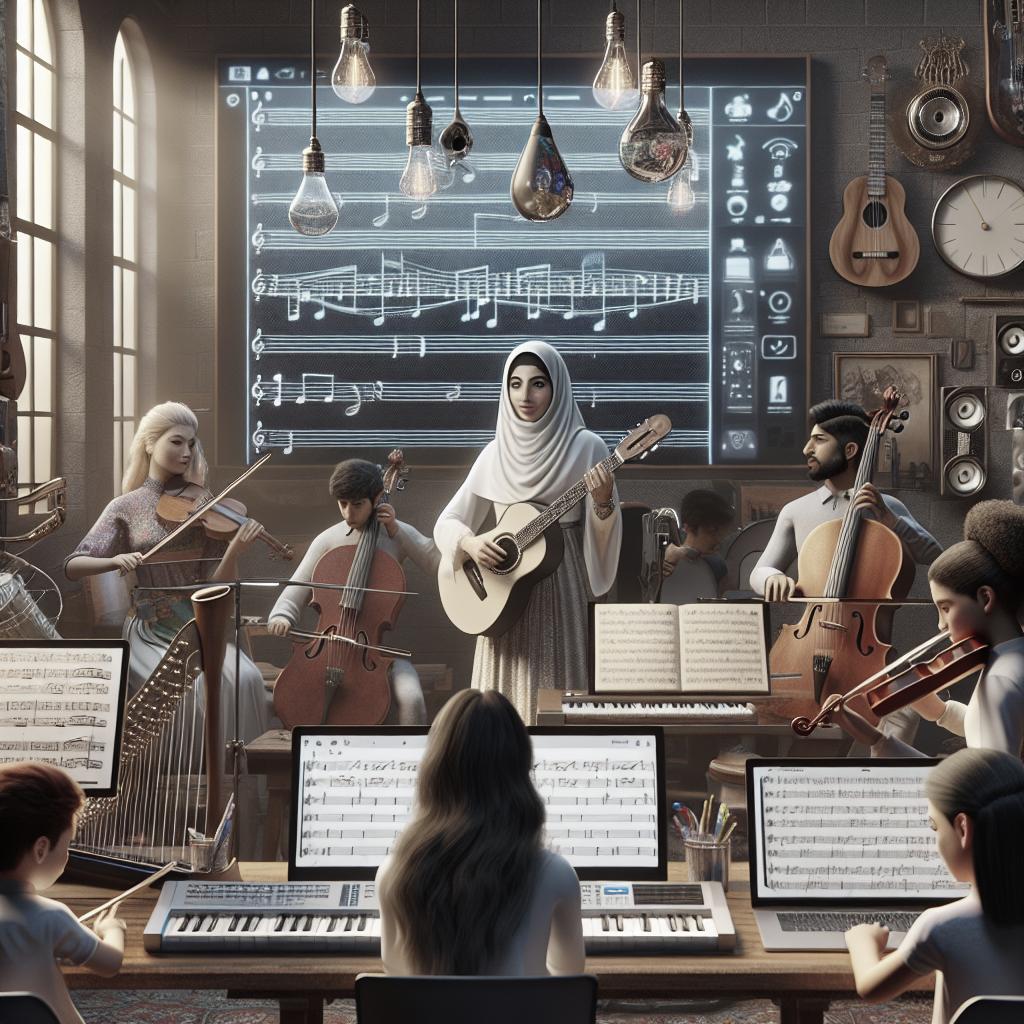
In recent years, music education has benefited immensely from technological advancements and new teaching methodologies. This blog post explores the various innovations revolutionizing how we learn and experience music. From virtual lessons and interactive apps to interdisciplinary approaches and modern genres, students are now exposed to a wide array of musical explorations. Group learning, mental health focus, and adaptive learning methods are reshaping music education, making it more inclusive and holistic. As we delve into these areas, we will uncover how these elements are working together to expand musical horizons and enhance educational outcomes.
Embracing Technology: From Virtual Lessons to Interactive Apps
Technology has vastly transformed the landscape of music education, opening new avenues for students and educators alike. Virtual lessons, once a distant dream, have now become commonplace, offering students access to world-class instructors regardless of geographical constraints. Platforms like Skype and Zoom facilitate real-time interactions, ensuring that learning is as engaging and effective as face-to-face sessions.
Interactive apps play a significant role in this tech-driven transformation. Software such as GarageBand, Yousician, and Simply Piano allow students to learn at their own pace, providing immediate feedback and tracking progress diligently. These platforms not only democratize access to musical tools but also make learning fun and interactive for younger generations.
New Teaching Methods: Student-Centered and Adaptive Learning
Traditional music instruction often followed a linear approach, with educators leading and students following. However, student-centered and adaptive learning methods have revolutionized this pattern, placing the students at the heart of the learning process. Educators now act more as facilitators, encouraging students to explore and interact with music in a way that speaks to their unique interests and strengths.
Adaptive learning technologies further tailor instruction to the individual needs of each student. By analyzing a student’s progress and adjusting the difficulty level accordingly, these technologies ensure that learning remains challenging yet achievable. This method enhances student engagement, satisfaction, and ultimately, skill acquisition.
Interdisciplinary Approaches: Music Beyond the Notes
Music education has increasingly embraced interdisciplinary approaches, blending music with other fields such as history, technology, and science. This paradigm shift not only enriches the learning process but also helps students see music as a multifaceted subject interconnected with the wider world.
Incorporating elements like storytelling, cultural studies, and technological applications, educators help students gain a deeper understanding of how music influences and is influenced by different disciplines. This holistic approach not only broadens educational scope but also inspires creativity and innovation among students.
Incorporating Modern Genres and World Music: Expanding Musical Horizons
The contemporary music education curriculum is evolving to include a wider range of modern genres and world music. By moving beyond the traditional Western-centric approaches, educators are ensuring that students appreciate a more diverse array of musical styles and cultures.
From hip-hop to Afrobeats and K-pop, integration of these genres in music education enables students to connect with contemporary musical trends and widen their creative palette. Moreover, studying world music promotes cultural awareness and sensitivity, crucial attributes in today’s globalized world.
Group Learning and Ensemble Play: The Joy of Making Music Together
Group learning and ensemble play have long been integral components of music education, fostering collaboration and a sense of community among learners. In such settings, students do not just learn to play music; they learn to listen, communicate, and work together towards a common goal.
Today, innovations in group learning emphasize the importance of teamwork and collective creativity. Whether it’s in virtual bands or physical ensembles, students experience the joy of creating music together, which enhances their social skills and boosts their confidence.
Focus on Mental Health and Well-Being: Music as Therapy
Increasingly, music education emphasizes the relationship between music and mental health, recognizing the therapeutic benefits music can offer. Engaging in musical activities has been shown to reduce stress, improve mood, and bolster cognitive function, making it a valuable tool in promoting well-being.
Music therapy programs have found their way into educational institutions, where music is used as a medium to help students manage anxiety and build resilience. By focusing on well-being, these initiatives highlight music education’s role in nurturing the mind alongside musical skills.
Lessons Learned
| Innovative Aspect | Description |
|---|---|
| Embracing Technology | Integrating virtual lessons and interactive apps to make learning accessible and engaging. |
| New Teaching Methods | Adopting student-centered and adaptive learning to personalize the educational experience. |
| Interdisciplinary Approaches | Combining music with other disciplines to provide a comprehensive educational experience. |
| Modern Genres and World Music | Expanding curricula to include diverse musical styles and cultural expressions. |
| Group Learning and Ensemble Play | Encouraging teamwork, communication, and social skills through collaborative music-making. |
| Mental Health and Well-Being | Utilizing music as a therapeutic tool to promote mental health and emotional resilience. |
As we have explored, the innovations in music education are numerous and varied, each contributing to a richer, more engaging, and inclusive learning experience. These advances not only enhance students’ musical abilities but also cultivate a lifelong appreciation for the art form. As technology and teaching methodologies continue to evolve, music education will undoubtedly keep pace, offering exciting new opportunities for learners around the globe.
“`