“`html
How to Implement Sustainable Practices in Music Events
In today’s world, sustainability is not just a buzzword but a guiding principle across industries, including music events. This article explores how music festivals and live performances can become environmentally friendly by embracing eco-friendly practices, leveraging technology, and fostering community empowerment. From using virtual reality and artificial intelligence to minimize waste and support local communities, the future of live events is both sustainable and innovative. Dive into these inspiring possibilities and see how you can make a difference in the music industry.
Eco-Friendly Entertainment for Sustainable Events: Practices and Performances
The Power of Cutting-Edge Technology
Technology plays a pivotal role in transforming music events into sustainable happenings. By seamlessly integrating innovative tech solutions, event organizers can significantly reduce their environmental footprint. Implementing energy-efficient lighting and sound systems not only lessens power consumption but also creates awe-inspiring atmospheres. Solar-powered stages are an excellent example of utilizing renewable energy sources, allowing event planners to minimize carbon emissions.
Initiatives like e-ticketing have also gained traction by eliminating paper waste and promoting effortless entry processes for attendees. Beyond streamlining logistics, these practices contribute to a broader culture of sustainability in the entertainment industry, setting a standard for future events.
Virtual Reality: A New Dimension of Live Entertainment
Virtual Reality (VR) offers an innovative approach to reducing the environmental impact of physical events. By establishing immersive virtual environments, events can reach global audiences without the need for travel or large-scale physical production. VR concerts and festivals allow attendees to experience the magic of live performances from the comfort of their homes, all while significantly decreasing transportation-related emissions.
Innovative VR platforms enable artists to interact with fans worldwide, creating memorable experiences that traditionally required extensive resources. By investing in VR technology, musicians and organizers can pioneer new forms of engagement that align with sustainable practices.
Artificial Intelligence & Machine Learning: Personalizing the Live Experience
Artificial Intelligence (AI) and Machine Learning (ML) are redefining how audiences engage with live music events. Through personalized recommendations and automated systems, AI enhances the overall experience while driving sustainability efforts. AI can optimize setlists based on fan preferences, reducing the need for physical surveys or feedback forms.
Furthermore, AI supports efficient resource allocation by predicting crowd sizes, helping organizers manage waste and reduce excess. With AI’s capabilities, live events become not only more personalized but also more eco-conscious.
Building a Sustainable Future for Live Events
Zero-Waste Initiatives and Eco-Friendly Practices
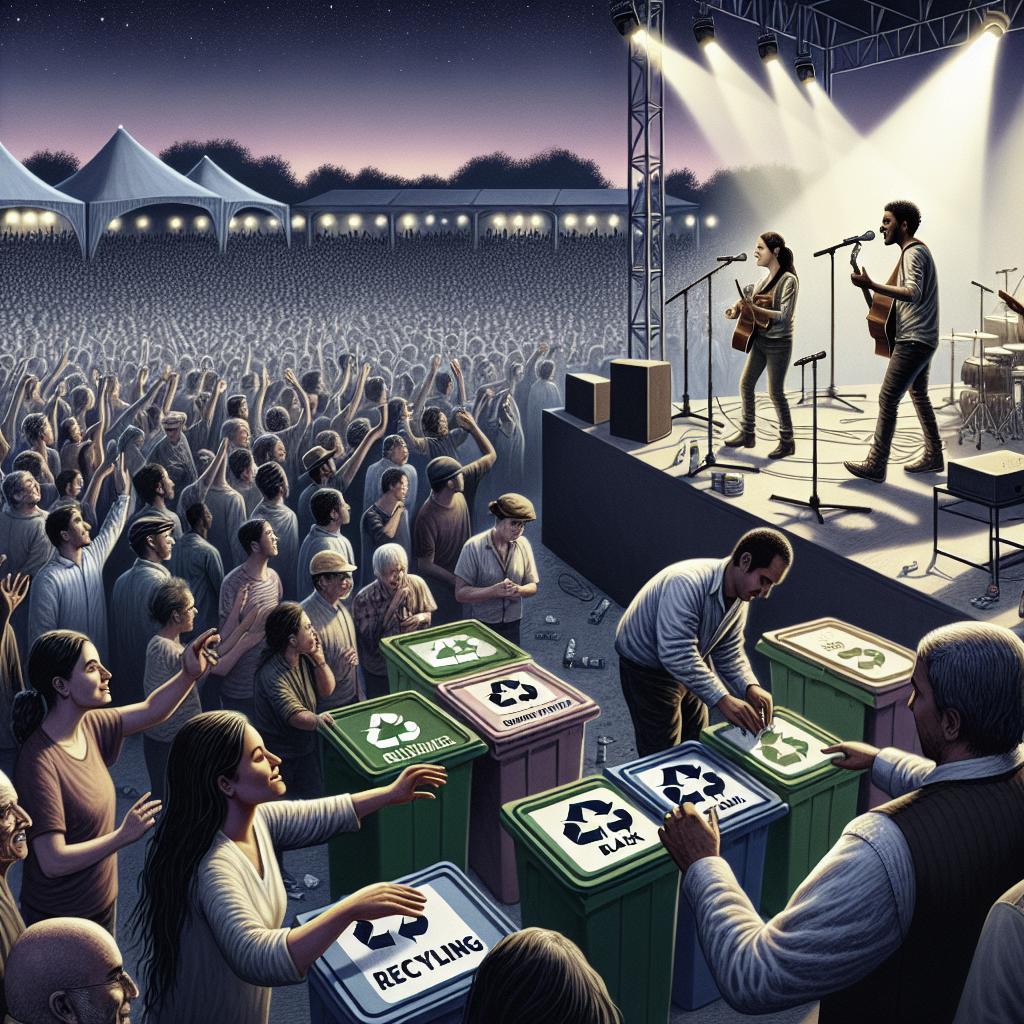
The zero-waste movement is gaining momentum within the live events sphere, advocating for conscientious resource use and waste reduction. This involves initiatives like composting food waste, using biodegradable materials, and implementing comprehensive recycling programs. Event planners are rethinking every aspect of traditional event execution to identify opportunities for eco-friendly alternatives.
By collaborating with vendors who share a commitment to sustainability, music events can offer greener options such as plant-based food and beverages. This not only reduces the environmental footprint but also supports the health and well-being of attendees.
Empowering Communities Through Live Events
Sustainable music events have the potential to empower local communities by creating jobs and highlighting regional talent. When organizers prioritize hiring local staff and showcasing nearby artists, they contribute to the area’s economic and cultural growth. This community-minded approach fosters a sense of belonging among attendees and participants.
Partnering with local NGOs and sustainability-focused organizations can amplify the positive impact of live events. Collaborative efforts might include educational workshops on environmental topics or fundraising for local green initiatives, ensuring that the benefits of the event extend beyond entertainment.
Key Takeaways
What does “sustainable events” mean to entertainment?
Sustainable events aim to minimize their environmental impact while enhancing social and economic value. In entertainment, this translates into eco-conscious practices, ethical resource use, and responsible community engagement.
How can entertainment be made more eco-friendly at events?
Eco-friendly entertainment encompasses practices like using renewable energy sources, digital ticketing, zero-waste initiatives, and virtual events. It also involves selecting performances that use minimal physical resources and supporting artists who prioritize sustainability.
What types of performances are considered eco-friendly for sustainable events?
Acoustic sets, digital performances, and VR concerts are prime examples of eco-friendly events. These formats reduce energy consumption and waste generation while delivering memorable experiences to audiences.
Why is it important to prioritize eco-friendly entertainment for sustainable events?
Prioritizing eco-friendly entertainment ensures a lasting positive impact on the environment and communities. It helps reduce carbon emissions, conserves resources, and raises awareness among audiences regarding sustainability issues.
Are there any cost-effective options for entertainment at sustainable events?
Yes, leveraging local talent, promoting digital or virtual performances, and utilizing energy-efficient technology can be financially sustainable while minimizing environmental impact. Collaborative efforts with eco-focused organizations can also offset costs.
How can event organizers ensure that their entertainment is truly sustainable?
Organizers can conduct environmental audits, set measurable sustainability goals, and align with eco-certified vendors. Transparency and engagement with stakeholders also ensure ongoing commitment to sustainable practices at events.
The Future of Live Events: 6 Amazing Technology & Sustainability Trends Shaping Tomorrow
The future of live events lies in harnessing cutting-edge technology to enhance sustainability. Trends like holographic performances, AI-driven personalization, blockchain ticketing, and interactive VR experiences signal a new era in entertainment.
Emerging trends will continue to redefine the live event landscape, with organizers motivated to innovate in response to environmental concerns and digital transformations. By adopting these trends early, creative practitioners and organizers can lead the movement toward a sustainable future.
The Unavoidable Shift to Influencer Marketing for Local Businesses
Local businesses are recognizing the powerful impact influencers have on reaching niche audiences. Influencer marketing has become a vital tool for promoting sustainable practices and products, allowing local entrepreneurs to amplify their green values and connect authentically with consumers.
By collaborating with influencers who share similar sustainable goals, businesses can engage broader demographics. Social media platforms become a stage for storytelling and sharing genuine experiences, building community trust and loyalty.
Striking a New Chord: A New Dawn For Music Education
Music education is evolving to incorporate digital literacy and sustainability education, empowering the next generation of artists to positively impact the world. Incorporating eco-friendly practices into curriculums while adapting to virtual learning environments enables aspiring musicians to embrace both innovation and environmental responsibility.
This approach strengthens the burgeoning relationship between technology, sustainability, and music, providing students with the tools they need to succeed in a rapidly changing world.
Hit Songs, Hidden Earnings: A Closer Look at Music Royalties
Understanding music royalties is crucial for artists seeking a sustainable career. Transparent royalty systems ensure that creators are compensated fairly for their work, fostering a more ethical industry environment. Royalties can also support sustainable ventures by funding eco-friendly projects and events.
Fair distribution of earnings not only benefits the individuals involved but also strengthens the industry’s overall structure, paving the way for sustainable growth and innovation in music.
A Swift Revolution: Lessons from Taylor Swift’s Quest for Creative Control and the Rise of Artist Empowerment
Taylor Swift’s journey for creative control has sparked a movement toward artist empowerment in the music industry. Her stance highlights the importance of artists having a say in their work’s environmental impact and sustainability.
As more artists advocate for sustainable practices and ethical labor agreements, they inspire others to take ownership of their environmental responsibilities, leading to a more conscientious industry.
Virtually Social: Concerts in VR Opening a New Market Through User Creation and Social Controls
Virtual reality concerts have opened a fresh market for artists to engage socially with their audience. These platforms facilitate social interaction, enabling audiences to connect over shared passions regardless of physical location.
As more creators explore VR environments, they can provide audiences with unparalleled experiences that are rich in both quality and sustainability, marking an evolution in how music is consumed and enjoyed.
The show must go on: time to load out 2020 and get ready for the future of live events
As we move beyond the challenges of 2020, the live events industry is gearing up for a future steeped in sustainability and technological advancement. By building on lessons from the past, planners and artists are better prepared to create events that honor both tradition and innovation.
With ongoing efforts to reduce waste, elevate inclusivity, and embrace digital progress, the future of live events promises a revival that is environmentally compatible and socially relevant.
Spatial audio for streaming live events – Adding a sense of reality to the virtual world
Spatial audio is revolutionizing virtual music events by offering a more authentic and immersive listening experience. This cutting-edge technology allows for a multidimensional approach to sound that enhances the perception of being physically present at the event.
By integrating spatial audio with streaming platforms, artists can deliver high-quality auditory experiences that maintain eco-conscious principles by reducing the need for large-scale physical gatherings.
The future of festival digitalization
Festival digitalization is pushing boundaries by integrating AI, blockchain, and IoT technologies. These advancements bring efficiency in ticketing, security, and personalized experiences, paving the way for festivals that are both eco-friendly and innovative.
By digitizing operations and using online platforms, organizers conserve resources while expanding access to global audiences, ensuring traditions and new ideas thrive side by side.
Frequently Asked Questions
Q: How can technology contribute to more sustainable music events?
A: Technology enhances sustainability in music events through eco-friendly lighting, AI personalizations, VR experiences, and efficient e-ticketing systems.
Q: What role does community empowerment play in sustaining music events?
A: Empowering communities through local hiring and engagement fosters cultural and economic growth, ensuring that music events have a lasting positive impact.
Lessons Learned
| Topic | Summary |
|---|---|
| Eco-Friendly Entertainment | Incorporates sustainable practices such as renewable energy, digital ticketing, and community inclusion. |
| Technology in Events | VR, AI, and machine learning are shaping personalized, efficient, and eco-conscious events. |
| Community Empowerment | Local hiring and collaboration with NGOs enhance economic and cultural growth. |
| Future Trends | Adopting holographic performances, blockchain ticketing, and VR to advance sustainability. |
| Music Education | Educating upcoming musicians on digital literacy and sustainability for responsible artistry. |
| Artist Empowerment | Artists like Taylor Swift advocate for creative control and sustainable industry practices. |
“`